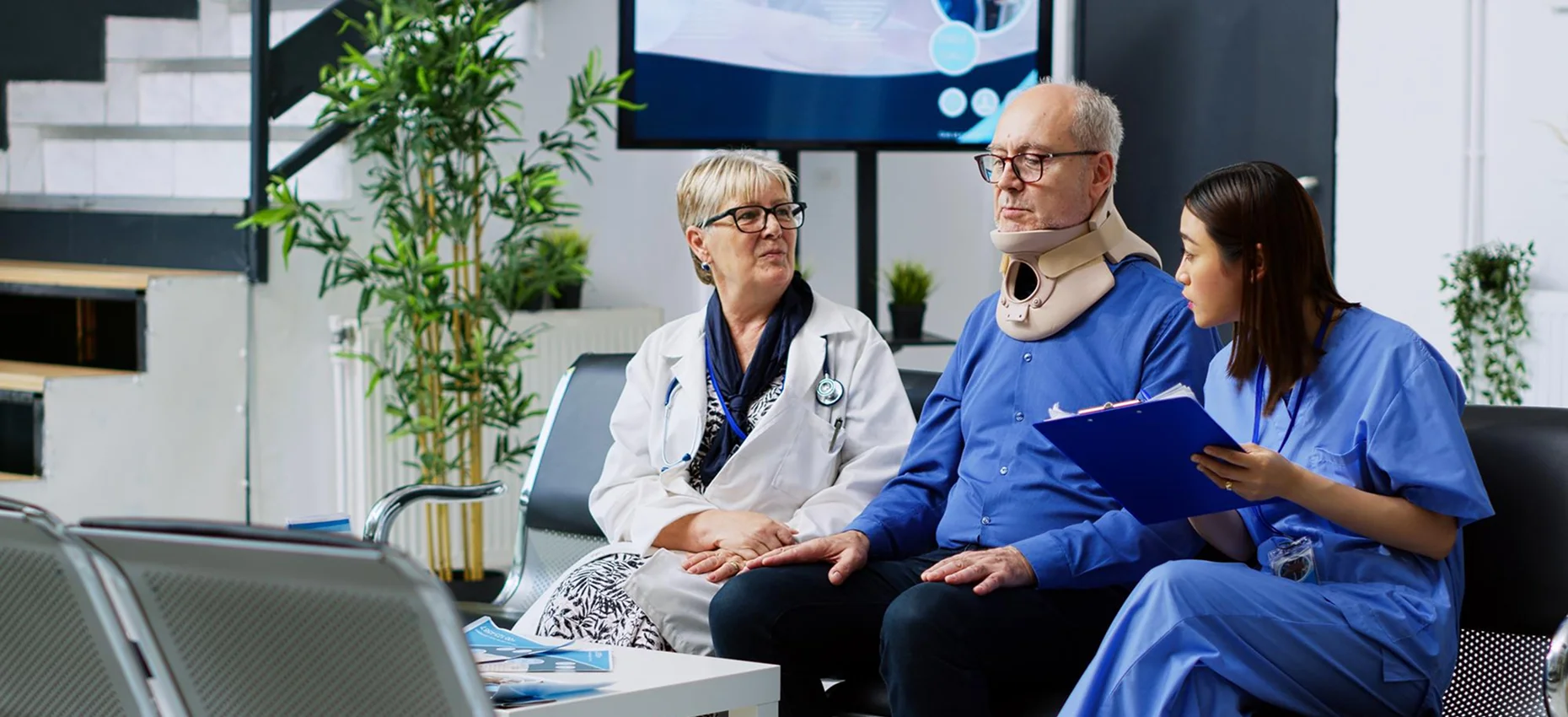


Back and spinal problems can significantly affect your everyday life. Whether it is persistent lower back pain, neck stiffness, sciatica, a slipped disc, poor posture, spinal injury, or difficulty moving after surgery, spinal conditions can make even simple activities uncomfortable.
Spinal rehabilitation is a specialized area of physiotherapy focused on improving mobility, reducing pain, restoring strength, improving posture, and helping individuals return to their daily activities safely.
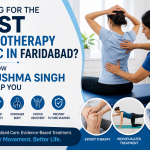
At MBM Physiotherapy in Faridabad, Haryana, Dr. Sushma Singh provides personalized spinal rehabilitation and physiotherapy programs based on the patient’s condition, symptoms, physical limitations, and recovery goals.
It is important to understand that no healthcare professional can guarantee a “cure” for every spinal condition. However, appropriate physiotherapy and rehabilitation may help manage symptoms, improve physical function, support recovery, and enhance quality of life.
This blog explains spinal rehabilitation, common spinal conditions, available treatment approaches, and how Dr. Sushma Singh at MBM Physiotherapy can help patients in Faridabad.
What Is Spinal Rehabilitation?
Spinal rehabilitation is a structured treatment and exercise approach designed to help people experiencing pain, weakness, stiffness, reduced mobility, or functional limitations related to the spine.
The human spine plays a central role in:
- Supporting the body
- Maintaining posture
- Allowing movement
- Protecting the spinal cord
- Helping with balance and coordination
- Supporting everyday activities such as walking, bending, lifting, and sitting
When the spine is affected by injury, degeneration, poor posture, surgery, or other conditions, a person may experience pain and reduced physical function.
Spinal rehabilitation may focus on:
- Pain management
- Improving spinal mobility
- Strengthening supporting muscles
- Improving posture
- Core strengthening
- Flexibility training
- Balance and coordination
- Functional movement
- Safe return to work or activity
- Prevention of recurrent problems
A personalized rehabilitation program is usually more effective than following random exercises without a proper assessment.
Common Spinal Problems That May Require Rehabilitation
Spinal rehabilitation may be helpful for a range of musculoskeletal and neurological conditions.
1. Lower Back Pain
Lower back pain is one of the most common reasons people seek physiotherapy.
It can develop because of:
- Poor posture
- Muscle strain
- Repetitive movements
- Prolonged sitting
- Improper lifting techniques
- Reduced physical activity
- Sports injuries
- Age-related changes
A physiotherapist can assess movement patterns and identify areas of weakness, stiffness, or functional limitation.
Treatment may involve:
- Therapeutic exercises
- Core strengthening
- Mobility exercises
- Postural training
- Manual therapy where appropriate
- Activity modification
- Home exercise programs
2. Neck Pain and Cervical Spine Problems
Modern lifestyles often involve prolonged use of computers, smartphones, and other digital devices. Poor working posture and repetitive strain can contribute to neck discomfort.
Common symptoms may include:
- Neck pain
- Stiffness
- Reduced movement
- Shoulder discomfort
- Muscle tension
- Headaches associated with neck dysfunction in some cases
Spinal rehabilitation can focus on improving neck mobility, strengthening supporting muscles, improving posture, and teaching safer movement habits.
3. Sciatica
Sciatica is a term commonly used to describe pain that travels from the lower back into the buttock or leg along the distribution of the sciatic nerve.
Symptoms can vary and may include:
- Radiating leg pain
- Tingling
- Numbness
- Weakness
- Difficulty sitting or standing
Because similar symptoms can have different causes, a proper medical and physiotherapy assessment is important.
Depending on the diagnosis, physiotherapy may help improve movement, strength, and functional capacity.
4. Disc Problems
Intervertebral discs act as cushions between the bones of the spine.
Some people may experience disc-related conditions such as:
- Disc bulge
- Disc protrusion
- Herniated or prolapsed disc
Symptoms can vary significantly. Some people may have pain without nerve symptoms, while others may experience radiating pain, numbness, or weakness.
A rehabilitation program may include carefully selected exercises, movement education, progressive strengthening, and activity guidance.
5. Spinal Injury
Spinal injuries can occur because of:
- Falls
- Road accidents
- Sports injuries
- Workplace accidents
- Other trauma
The rehabilitation approach depends on the nature and severity of the injury.
Patients should first receive appropriate medical evaluation, especially after significant trauma.
6. Post-Surgical Spinal Rehabilitation
Some spinal conditions require surgery. After surgery, rehabilitation may play an important role in restoring movement and functional independence.
Post-surgical spinal rehabilitation may focus on:
- Safe mobility
- Gradual strengthening
- Functional movement
- Walking training
- Improving flexibility where appropriate
- Postural education
- Return to daily activities
The rehabilitation program should follow the recommendations of the treating surgeon and the patient’s individual recovery requirements.
7. Postural Dysfunction
Poor posture can place unnecessary stress on muscles and joints.
Postural problems may be associated with:
- Prolonged sitting
- Improper workstation setup
- Muscle weakness
- Reduced flexibility
- Poor movement habits
Physiotherapy can help assess posture and develop strategies for improved body alignment and movement.
Why Is Spinal Rehabilitation Important?
Many people reduce activity when they experience spinal pain. While temporary rest may be necessary in certain situations, prolonged inactivity can sometimes contribute to:
- Muscle weakness
- Reduced flexibility
- Stiffness
- Reduced confidence
- Poor physical conditioning
Appropriate rehabilitation aims to gradually restore function.
The objective is not simply to focus on pain but also to improve how the body moves and performs during everyday activities.
A comprehensive spinal rehabilitation program may address:
Mobility
Improving the ability to move comfortably.
Strength
Building strength in muscles that support the spine and surrounding joints.
Stability
Improving control and support during movement.
Flexibility
Addressing movement restrictions where appropriate.
Posture
Developing healthier sitting, standing, and movement habits.
Function
Helping patients return to activities such as walking, working, bending, and lifting.
How Dr. Sushma Singh at MBM Physiotherapy Can Help
Every spinal problem is different.
Two patients may both have lower back pain but require completely different treatment plans. One person may have reduced mobility, while another may have muscle weakness or poor movement control.
At MBM Physiotherapy, Faridabad, Dr. Sushma Singh can begin with an individual assessment to better understand the patient’s condition and functional limitations.
The assessment may consider:
- Pain patterns
- Medical history
- Daily activities
- Range of motion
- Muscle strength
- Posture
- Balance
- Walking pattern
- Functional movement
- Previous injuries
- Physical activity level
Based on the assessment and medical diagnosis where applicable, a personalized rehabilitation plan may be developed.
Personalized Spinal Rehabilitation Programs
A personalized approach is important because rehabilitation should match the patient’s condition and physical ability.
A spinal rehabilitation program may include the following components.
Pain Management
The first stage of rehabilitation may focus on improving comfort and helping the patient move more confidently.
Treatment approaches may vary depending on the patient’s condition.
Therapeutic Exercises
Exercise is often an important part of spinal rehabilitation.
Therapeutic exercises may help improve:
- Mobility
- Strength
- Stability
- Endurance
- Functional movement
Exercises should be selected and progressed according to the individual’s ability and condition.
Core Strengthening
The muscles around the abdomen, pelvis, and lower back contribute to trunk control.
Appropriate core exercises may help improve spinal support and movement control.
Examples may include controlled exercises focused on:
- Abdominal muscle activation
- Trunk stability
- Pelvic control
- Functional strengthening
Core strengthening should be performed with proper technique and progressed gradually.
Mobility Training
Spinal conditions can sometimes cause stiffness and restricted movement.
Mobility exercises may be used to improve movement in areas such as:
- Neck
- Upper back
- Lower back
- Hips
- Shoulders
The goal is to restore useful and functional movement without unnecessarily aggravating symptoms.
Manual Therapy
Manual therapy techniques may be considered when appropriate as part of a broader rehabilitation program.
Depending on the patient’s assessment, techniques may focus on:
- Soft tissue treatment
- Joint mobility
- Muscle relaxation
- Improving movement
Manual therapy is generally most useful when combined with active rehabilitation and appropriate exercises.
Postural Assessment and Correction
Posture can influence how forces are distributed through the body.
A postural assessment may evaluate:
- Head and neck position
- Shoulder alignment
- Spinal curves
- Pelvic position
- Standing posture
- Sitting posture
- Functional movement habits
Patients may receive guidance on improving workstation setup, sitting posture, standing habits, and movement techniques.
Functional Rehabilitation
The ultimate purpose of rehabilitation is to improve real-life function.
For one patient, the goal may be to return to work. For another, it may be walking comfortably, playing with children, returning to the gym, or participating in sports.
Functional rehabilitation may involve practicing movements such as:
- Walking
- Sitting and standing
- Bending
- Lifting
- Reaching
- Climbing stairs
The activities selected depend on the individual’s lifestyle and rehabilitation goals.
Home Exercise Programs
Recovery does not always end when a physiotherapy session is completed.
A structured home exercise program may help patients continue working on their mobility, strength, and functional goals between appointments.
Patients should perform exercises according to the instructions provided by their physiotherapist.
Regular follow-up and progression can help ensure that the program continues to match the patient’s changing needs.
Spinal Rehabilitation for Chronic Back Pain
Chronic back pain can affect more than physical movement. It may also interfere with:
- Work
- Sleep
- Exercise
- Social activities
- Independence
- Quality of life
A comprehensive approach may be required for persistent pain.
Physiotherapy may focus on gradually increasing physical capacity while addressing:
- Muscle weakness
- Movement limitations
- Poor posture
- Fear of movement
- Reduced physical conditioning
The goal is to help the patient move with greater confidence and function.
Spinal Rehabilitation After Surgery
Recovery after spinal surgery requires a carefully planned approach.
The rehabilitation process may vary depending on:
- Type of surgery
- Surgical level
- Medical condition
- Healing progress
- Surgeon recommendations
Patients may gradually progress through stages such as:
Safe movement → Basic mobility → Walking → Strengthening → Functional activities → Return to regular activities
Dr. Sushma Singh can work within the patient’s medical restrictions and recovery plan to support safe rehabilitation.
Can Spinal Rehabilitation Help Prevent Future Problems?
While no program can guarantee that future spinal problems will never occur, rehabilitation may help reduce certain modifiable risk factors.
A prevention-focused program may address:
- Muscle weakness
- Poor movement patterns
- Reduced mobility
- Poor posture
- Unsafe lifting techniques
- Low physical conditioning
- Poor exercise habits
Patients may also learn strategies for maintaining their physical health over the long term.
The Importance of Correct Posture
Good posture does not mean maintaining one rigid position throughout the day.
Instead, it involves developing comfortable and appropriate body positions and avoiding excessive strain.
Helpful habits may include:
- Changing positions regularly
- Taking breaks from prolonged sitting
- Maintaining an appropriate workstation setup
- Using proper lifting techniques
- Staying physically active
- Following an appropriate strengthening routine
Individual recommendations may vary depending on a person’s condition and occupation.
Who Can Benefit from Spinal Rehabilitation?
Spinal rehabilitation may be appropriate for individuals experiencing:
- Persistent back pain
- Neck pain
- Spinal stiffness
- Sciatica symptoms
- Reduced mobility
- Muscle weakness
- Poor posture
- Recovery after spinal surgery
- Sports-related spinal injuries
- Difficulty with daily activities
However, some symptoms require urgent medical attention.
Seek immediate medical care for serious symptoms such as sudden severe weakness, loss of bladder or bowel control, or other alarming neurological changes.
Why Choose MBM Physiotherapy in Faridabad?
MBM Physiotherapy provides a patient-focused approach to rehabilitation.
Key aspects may include:
Individual Assessment
Each patient is assessed according to their specific symptoms and physical limitations.
Personalized Treatment
Treatment and exercises are selected based on individual needs rather than using a one-size-fits-all approach.
Progressive Rehabilitation
The rehabilitation program can be progressed as the patient’s strength and functional ability improve.
Focus on Movement and Function
The aim is to help patients improve their ability to perform meaningful daily activities.
Patient Education
Understanding the condition and learning appropriate movement strategies can help patients participate actively in their rehabilitation.
Frequently Asked Questions About Spinal Rehabilitation
How long does spinal rehabilitation take?
Recovery time varies depending on the condition, severity, medical history, and individual progress. Some people may require short-term rehabilitation, while others may benefit from longer-term management.
Can physiotherapy cure every spinal problem?
No treatment can guarantee a cure for every spinal condition. Physiotherapy may help manage symptoms, improve mobility, strengthen supporting muscles, and improve physical function.
Is exercise safe with back pain?
The appropriate exercises depend on the cause and severity of the symptoms. A physiotherapist can recommend exercises suited to your individual condition.
Can physiotherapy help after spinal surgery?
Physiotherapy may be an important part of post-surgical recovery, provided it follows the recommendations and restrictions of the treating surgeon.
Should I stop all activity if I have back pain?
Not always. Complete inactivity may not be appropriate for every condition. Activity recommendations should be based on the diagnosis and severity of symptoms.
Take the First Step Toward Better Spinal Health
Spinal pain and mobility problems can affect many aspects of life, but early assessment and appropriate rehabilitation may help patients improve their physical function and confidence.
If you are experiencing persistent back pain, neck pain, stiffness, reduced mobility, or difficulty returning to normal activities after a spinal condition or surgery, professional physiotherapy assessment can help identify an appropriate rehabilitation approach.
Dr. Sushma Singh at MBM Physiotherapy in Faridabad, Haryana, provides personalized spinal rehabilitation programs designed to support pain management, mobility, strength, posture, and functional recovery.
Every patient deserves an individual approach based on their condition and goals.
Conclusion
Spinal rehabilitation is about more than temporary pain relief. It is a structured approach focused on restoring movement, improving strength, supporting functional recovery, and helping people return to the activities that matter to them.
Whether you are dealing with chronic back pain, neck problems, sciatica, disc-related symptoms, poor posture, spinal injury, or recovery after surgery, a properly planned rehabilitation program may play an important role in your recovery.
At MBM Physiotherapy, Faridabad, Dr. Sushma Singh can assess your individual needs and guide you through an appropriate rehabilitation journey.
Move better. Build strength. Improve confidence. Support your spinal health with personalized physiotherapy and rehabilitation.